
New Possibilities in Digital Diagnostics
Digital tools are connecting instruments, data and specialists — and opening new ways to work.
Introduction
Digitalisation is reaching every part of the laboratory. Images, results and instrument data that once stayed at a single workstation can now be stored, shared and analysed securely across a whole organisation.
What does digital diagnostics mean in practice?
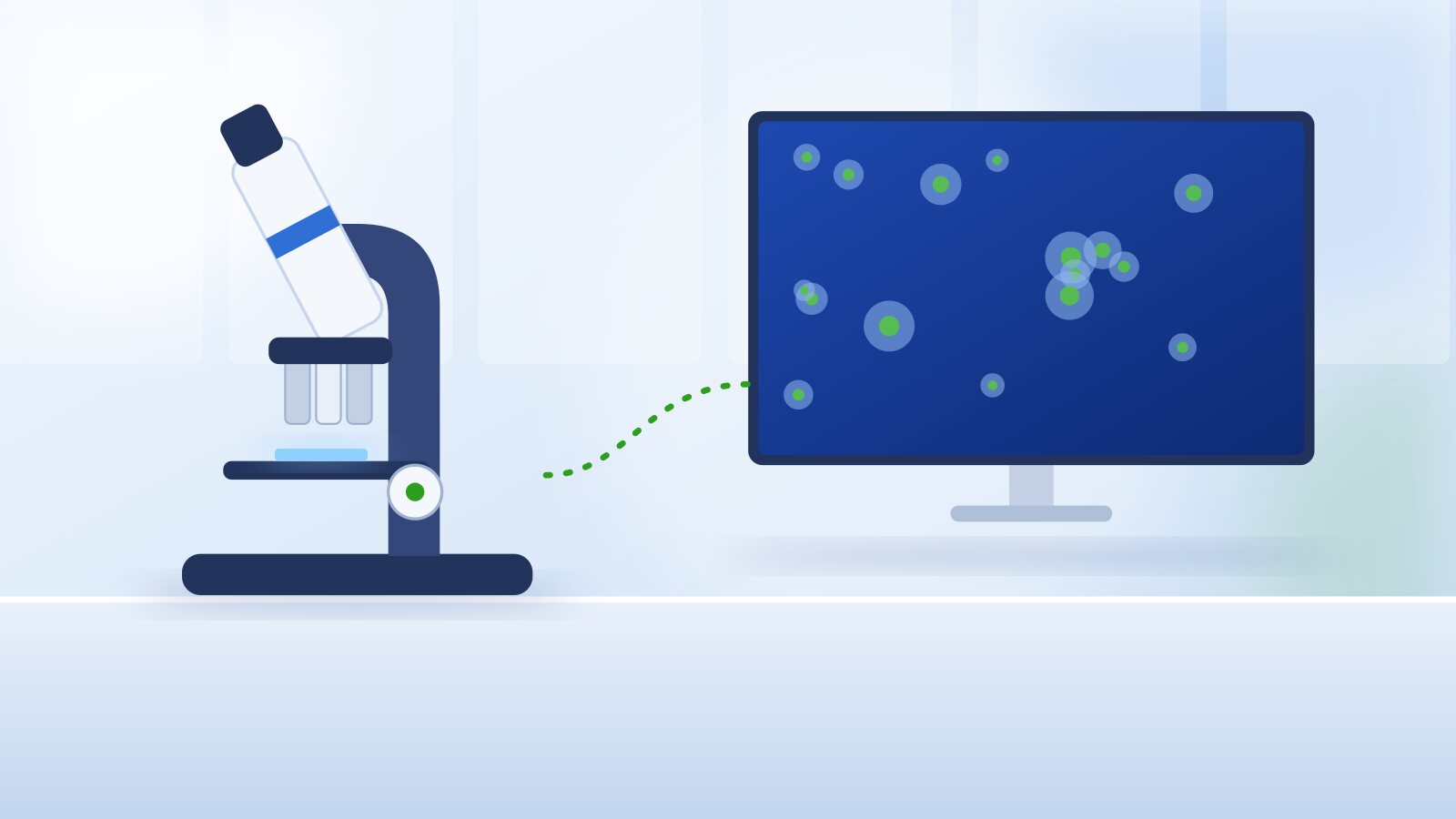
Digital microscopy turns slides into high-resolution images that can be reviewed on a screen, shared with a colleague for a second opinion and archived without physical storage. Connected instruments send results directly to the laboratory information system, removing manual transcription.
Software tools can also help prioritise work and highlight results that need attention, while the final decision remains with the specialist.
Key opportunities
Remote collaboration
Specialists can review the same case from different locations and consult each other quickly.
Better use of data
Structured, searchable data makes it easier to follow trends and monitor quality indicators.
Traceability
Every step is recorded automatically, which simplifies audits and accreditation.
Before you go digital
- Define which processes you want to improve
- Check compatibility with existing systems
- Plan data storage and backup
- Ensure data protection and access control
- Train your team and allow time to adapt
Digital diagnostics is a gradual journey. Starting with one well-chosen step is often the most effective approach.